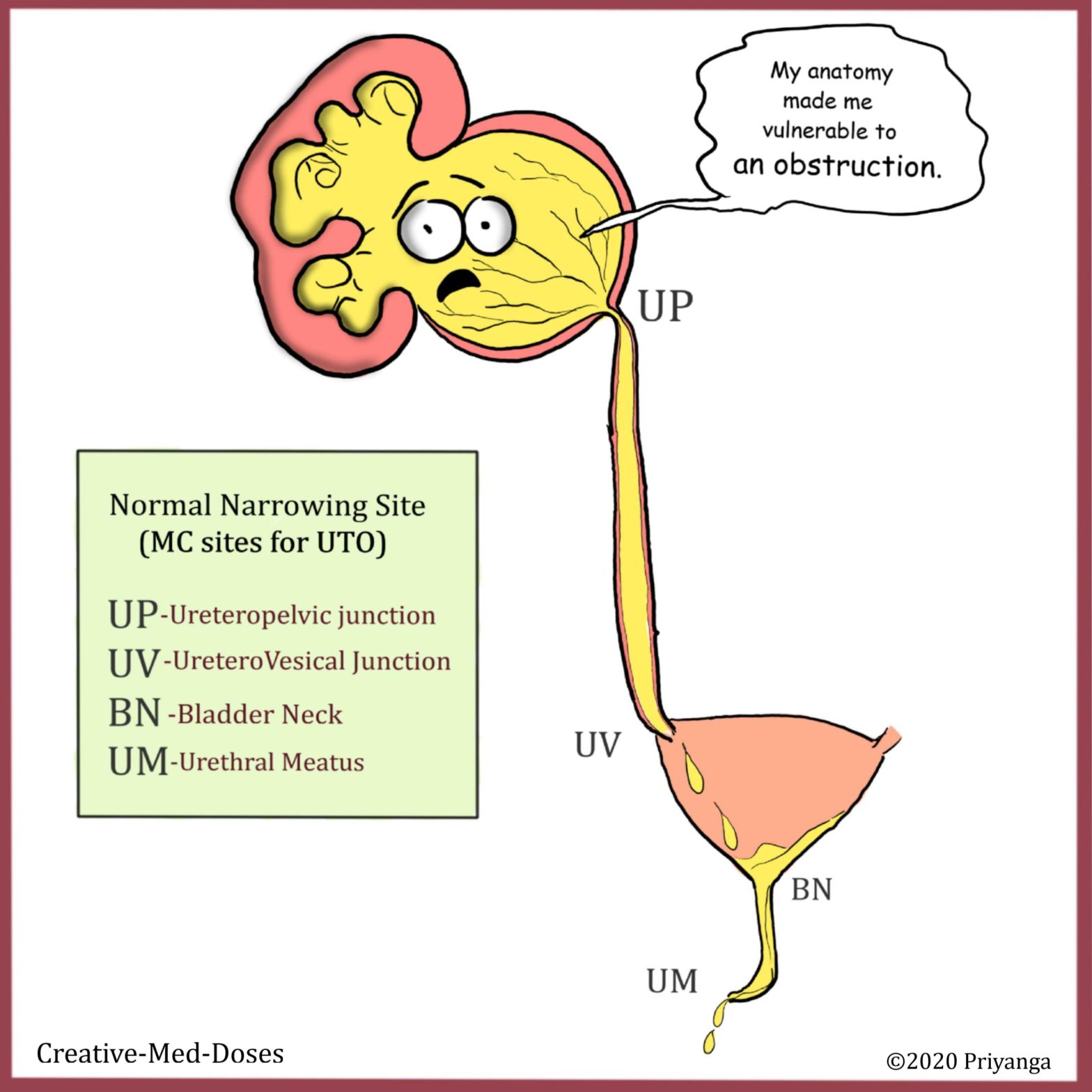
Urinary Tract Obstruction Most common sites Normal points of Narrowing are the most common sites of UTO – UP, UV, BN, UM- Ureteropelvic Junction (UP) Ureterovesical Junction (UV) Bladder Neck (BN) Urethral Meatus (UM) …
Post Type Archives: Topics
Potter’s Sequence
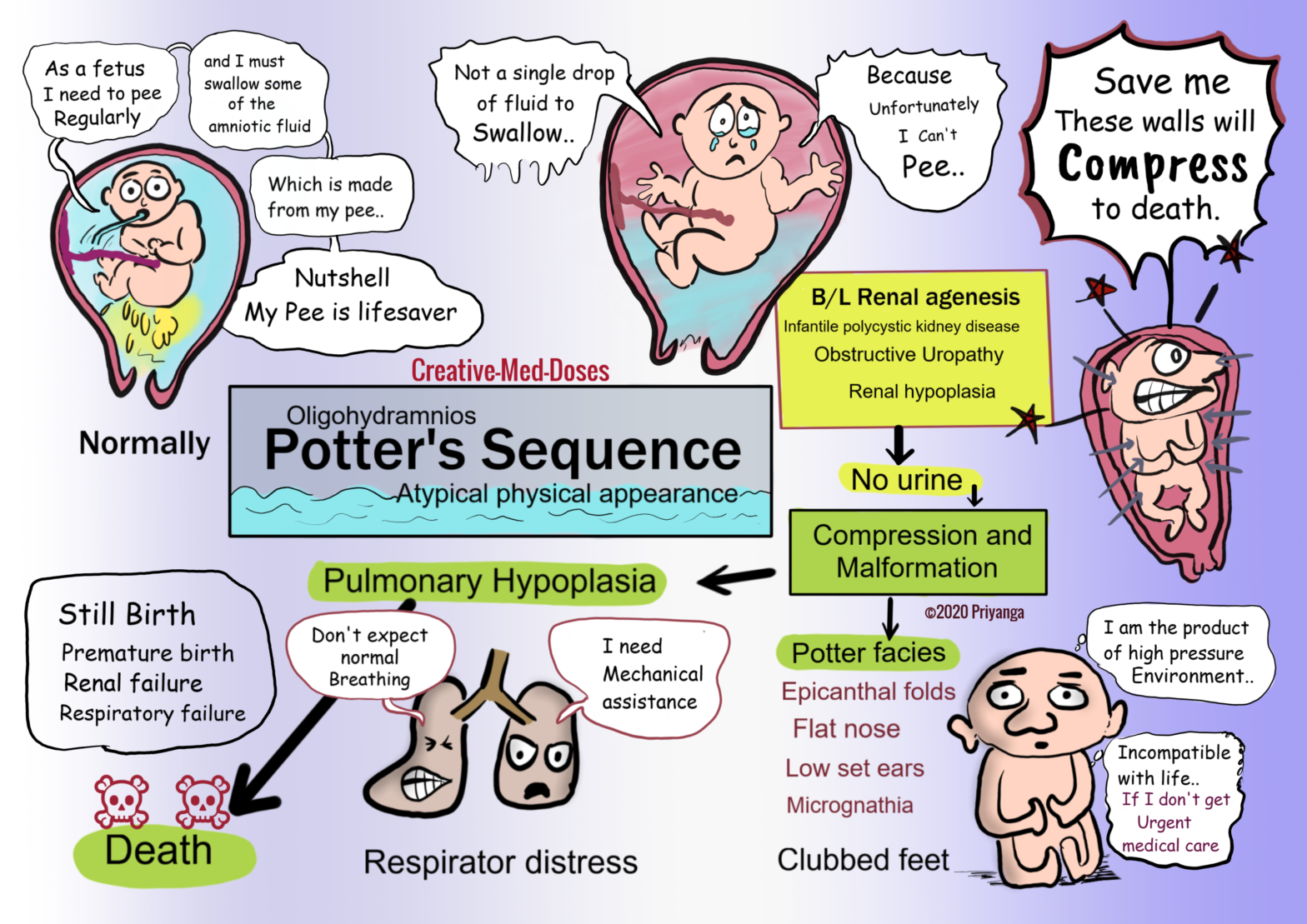
Potter sequence is the atypical physical appearance of a baby due to oligohydramnios and intrauterine compression.
Oligohydramnios means reduced amniotic fluid volume, which is sufficient to cause deformations due to pressure caused by the uterine wall.
It is associated with conditions causing oligohydramnios, such as bilateral renal agenesis, infantile polycystic kidney disease, renal hypoplasia, and obstructive uropathy. A decrease in the volume of amniotic fluid is due to decreased urine production.
Renal artery stenosis and Secondary hypertension
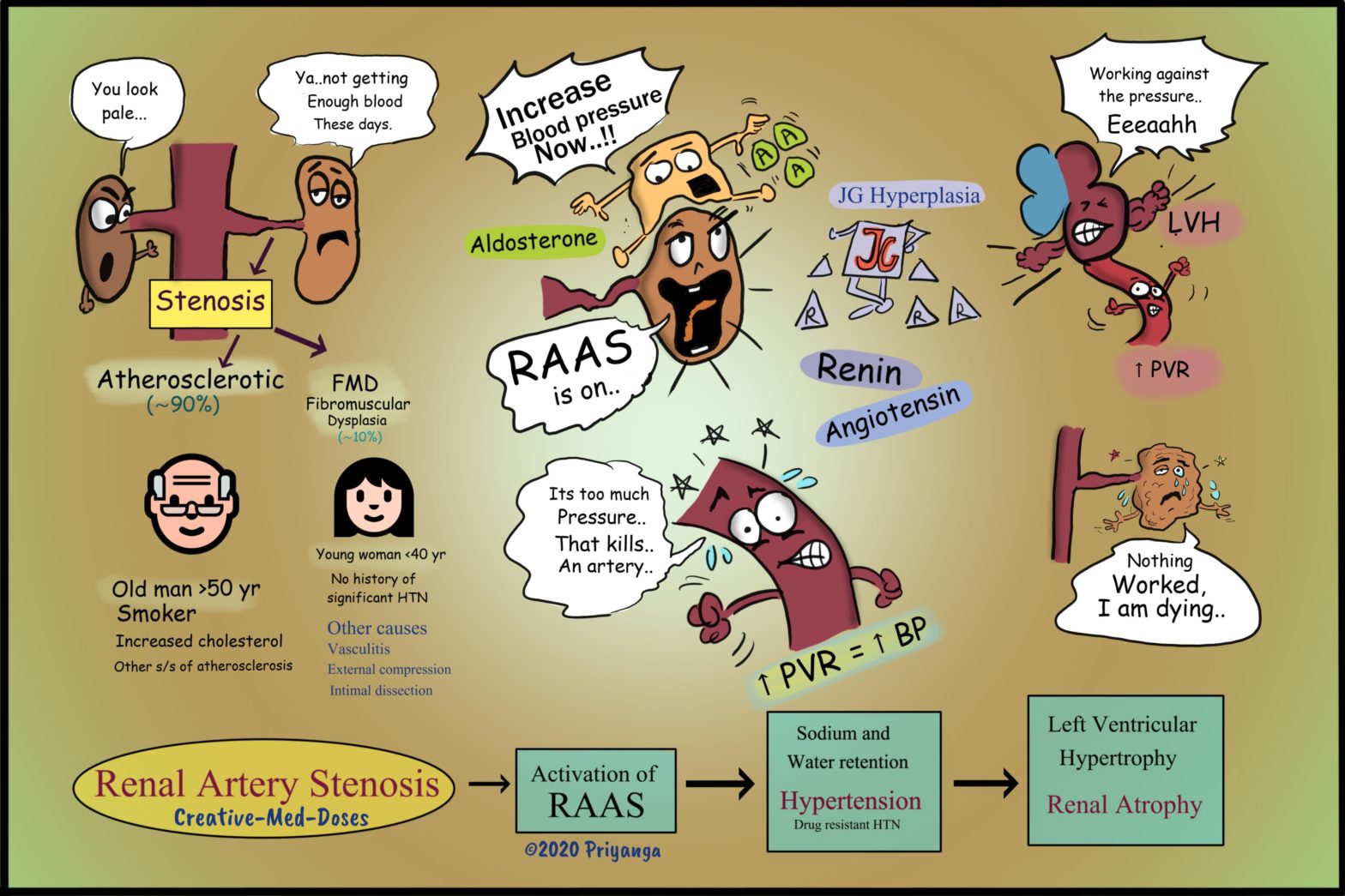
Renal artery stenosis is the narrowing of one or both renal arteries, which leads to hypertension and renal atrophy. The majority of cases (nearly 90%) are associated with lumen narrowing due to atherosclerotic plaque, which occurs more in men > 50 years of age. There is a thickening of the renal arterial wall causing luminal narrowing in (nearly 10% of cases). It mostly affects women < 40 years of age.
Gitelman syndrome: NCCT defect
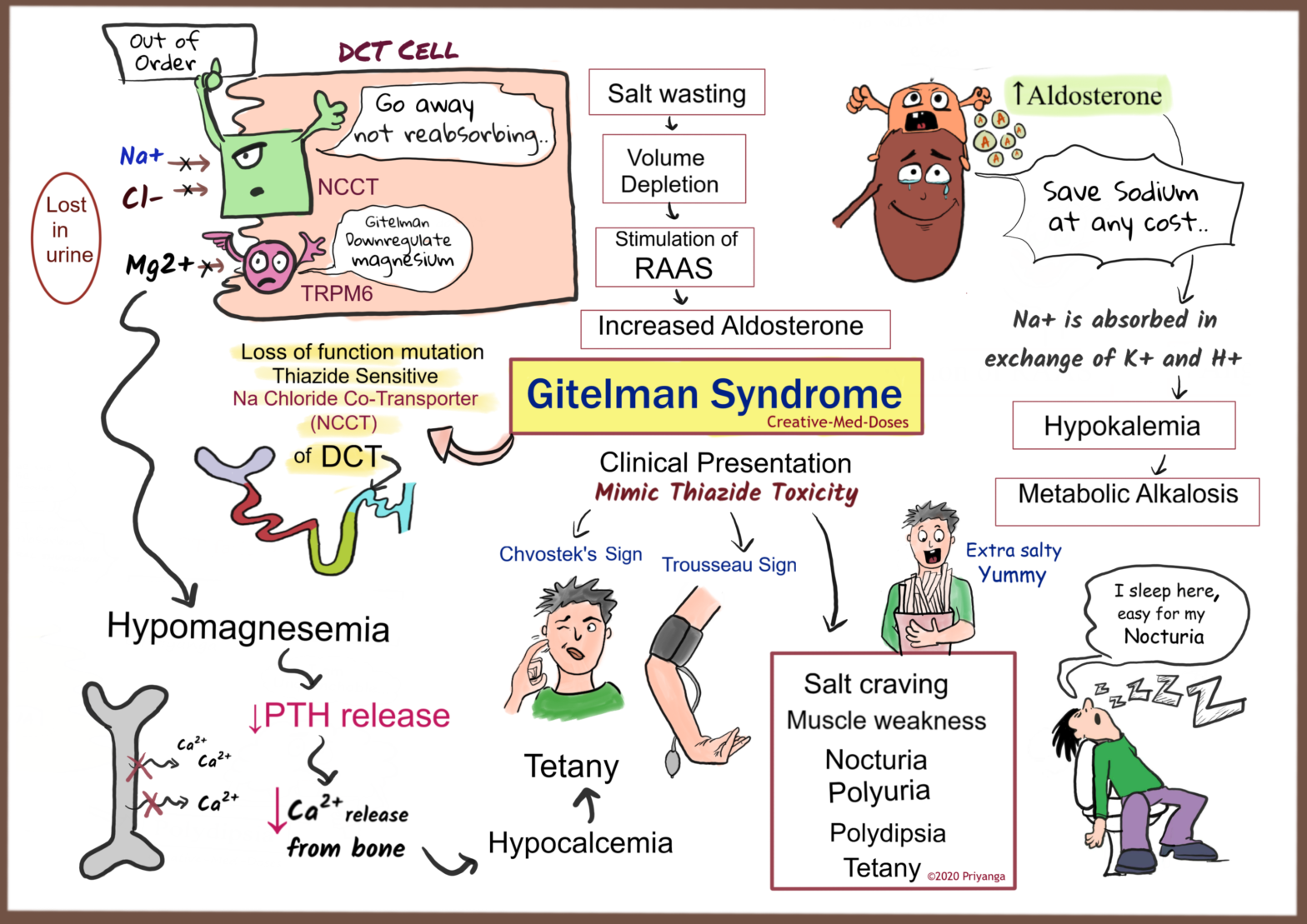
Gitelman syndrome (GS) is also known as familial hypokalemic hypomagnesemia with hypocalciuria. It is an autosomal recessive hereditary salt-losing tubulopathy. It is characterized by hypokalemic metabolic alkalosis, hypomagnesemia, and hypocalciuria. The disease is caused by mutations in the SLC12A3 gene encoding the thiazide-sensitive sodium chloride cotransporter (loss of function mutations in NCCT).
Hartnup disease: tryptophan deficit
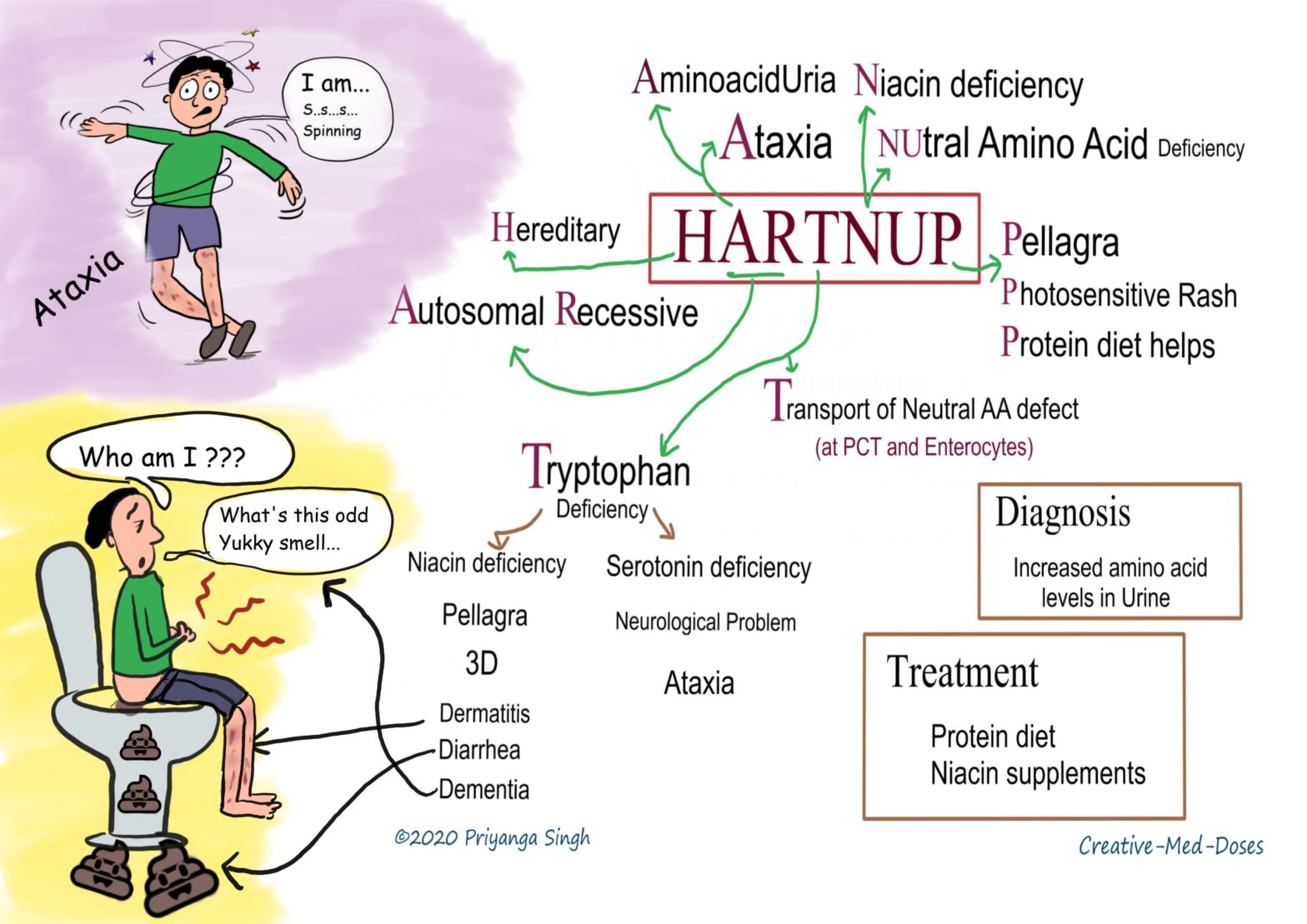
Hartnup disease is a congenital disorder characterized by a defect in the renal and intestinal transport of neutral amino acid, especially tryptophan. It has autosomal recessive inheritance, and it is associated with mutation in the SLC6A19 gene.
Aflatoxins and Hepatocellular carcinoma
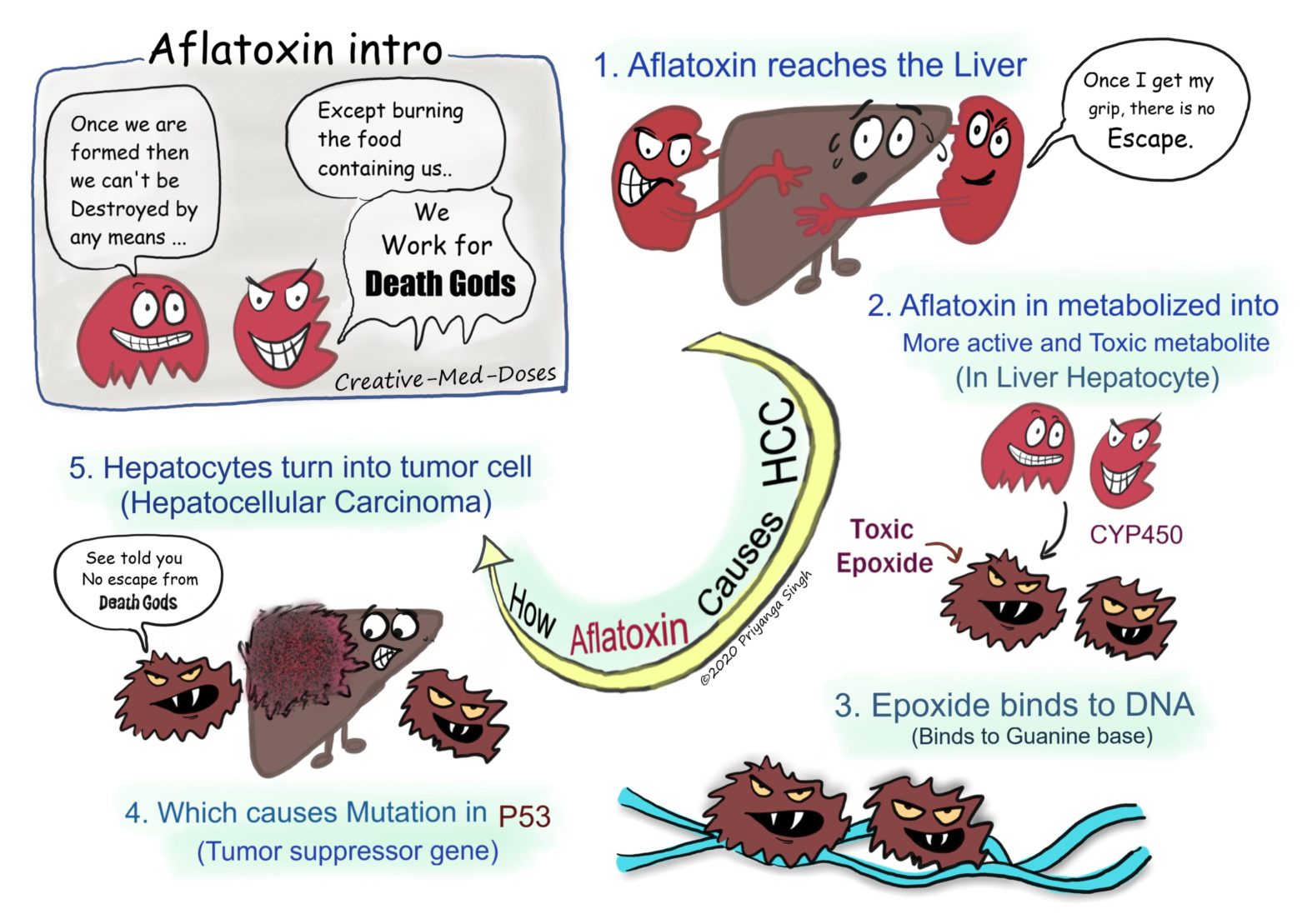
Aflatoxins are a group of 20 fungal-related metabolites in which aflatoxin B1, which is highly toxic to aflatoxin, is one of the known naturally occurring hepatocarcinogens. Produced by the fungi Aspergillus flavus and A.parasiticus, aflatoxin is found mainly in corn, peanuts, and tree nuts; and it is a major food poisoning in low-income countries, especially in Africa and Asia.
Zollinger-Ellison syndrome pathophysiology
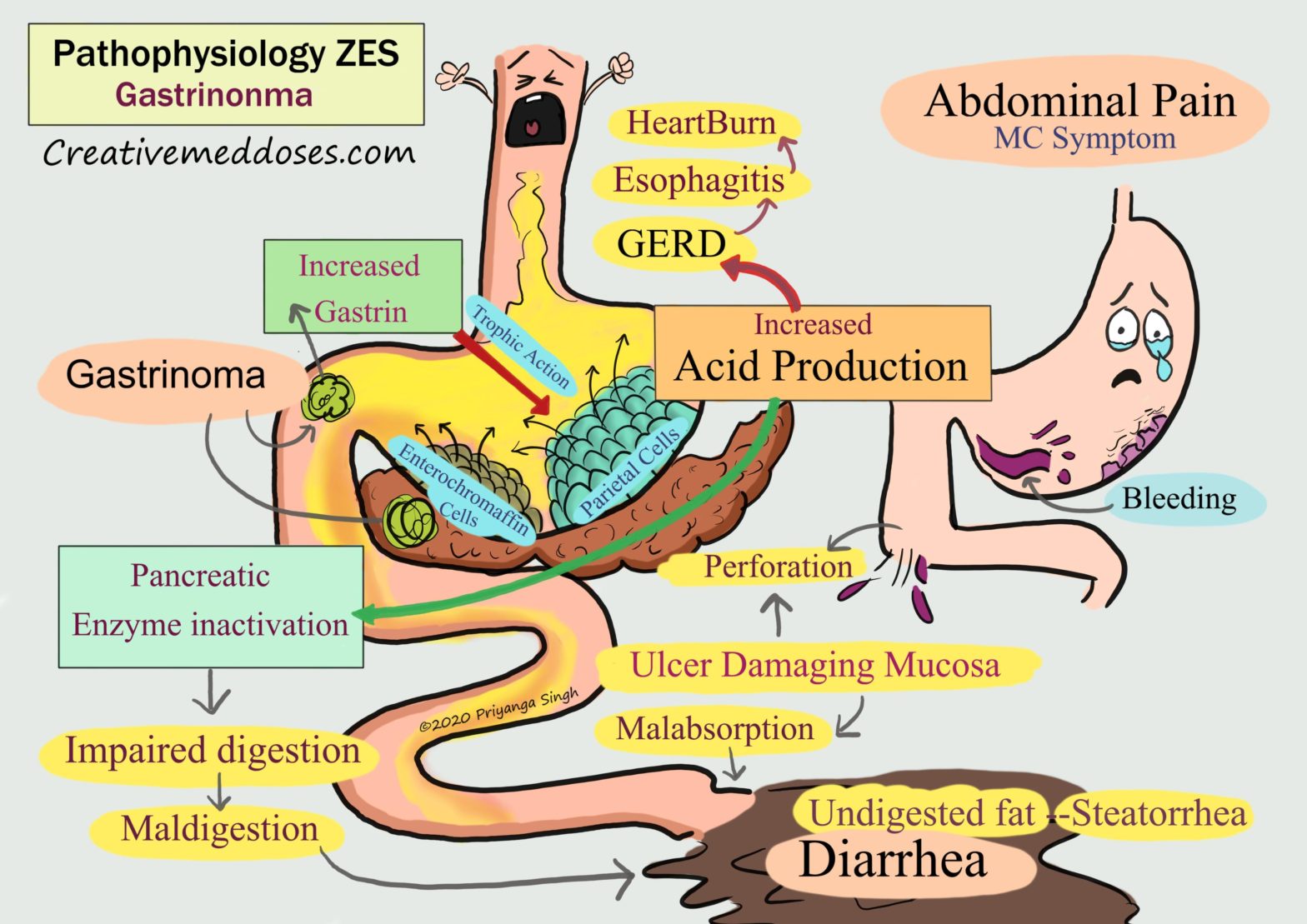
The symptoms of Zollinger-Ellison syndrome (ZES) are due to hypergastrinemia, it causes hypertrophy of the gastric mucosa, leading to increased numbers of parietal cells and increased acid output.
IgA nephropathy: Berger disease
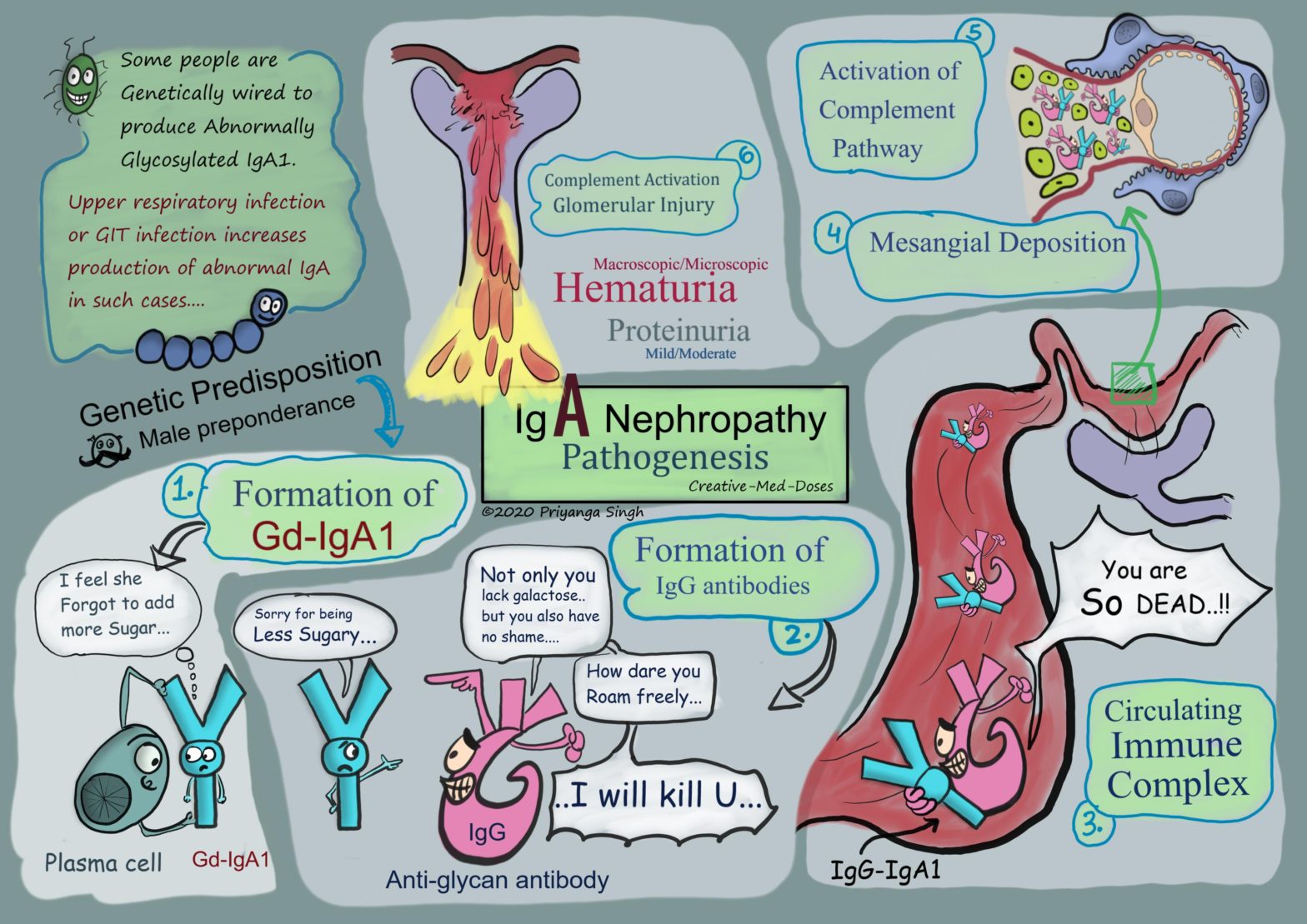
IgA nephropathy /Berger disease is the glomerulonephritis which is characterized by episodic hematuria and deposition of IgA in the mesangium (the hallmark of the disease). IgA nephropathy is the most common form of glomerulonephritis in adults and it affects males in the second to third decades of life (male preponderance).
Acute Pyelonephritis
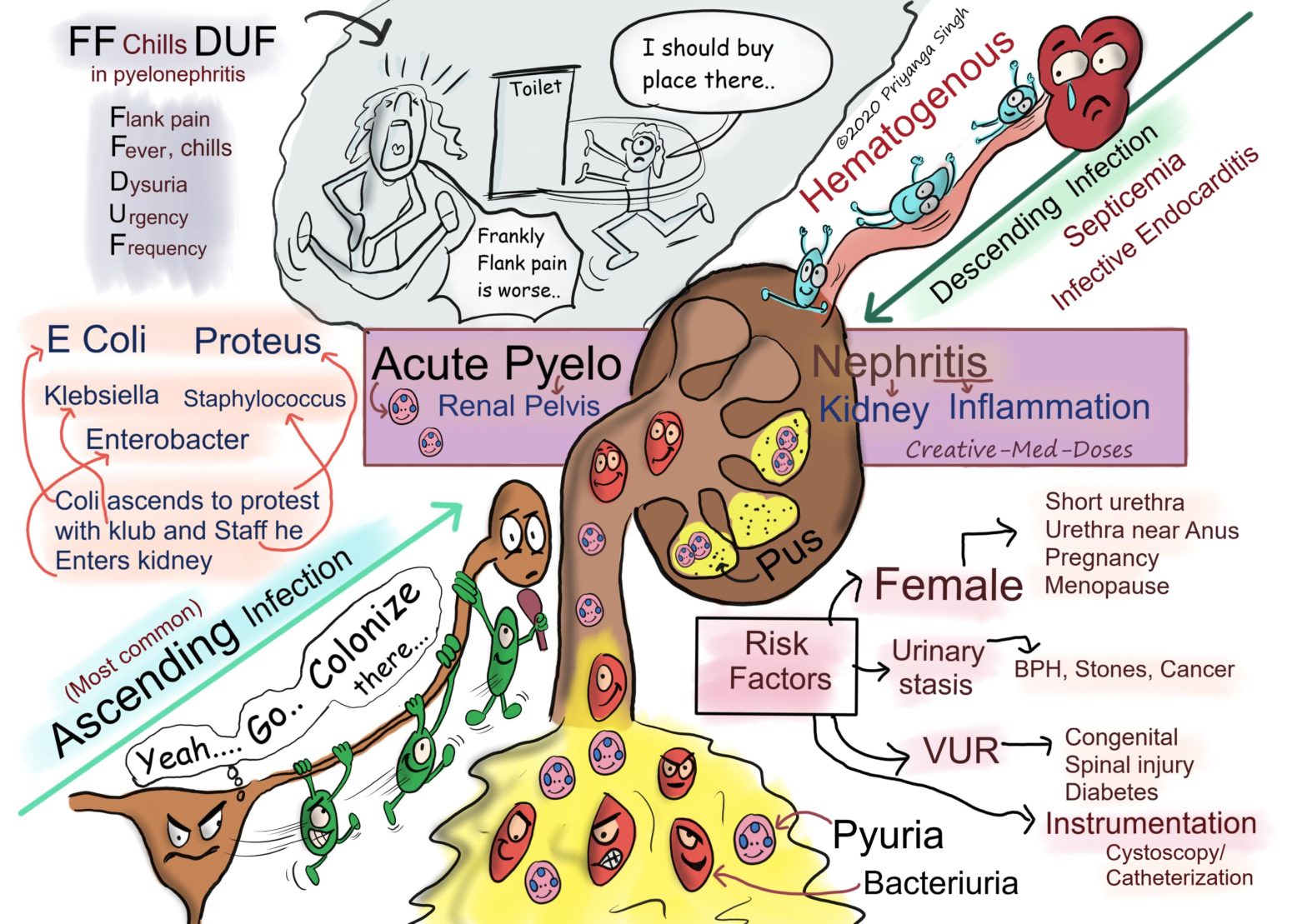
Acute pyelonephritis is a suppurative inflammation of the kidney and the renal pelvis which is caused by bacterial infection.
Toxic Shame: The basic flaw

Toxic shame is our basic flaw. You and I, we all roam around wounded, incomplete, and empty. We are continuously trying to feel complete by getting degrees, money, makeup, slim training, body parts enhancement, and the list goes on, you name it. You are turned into an insatiable consumer because of this entity called ‘Toxic […]