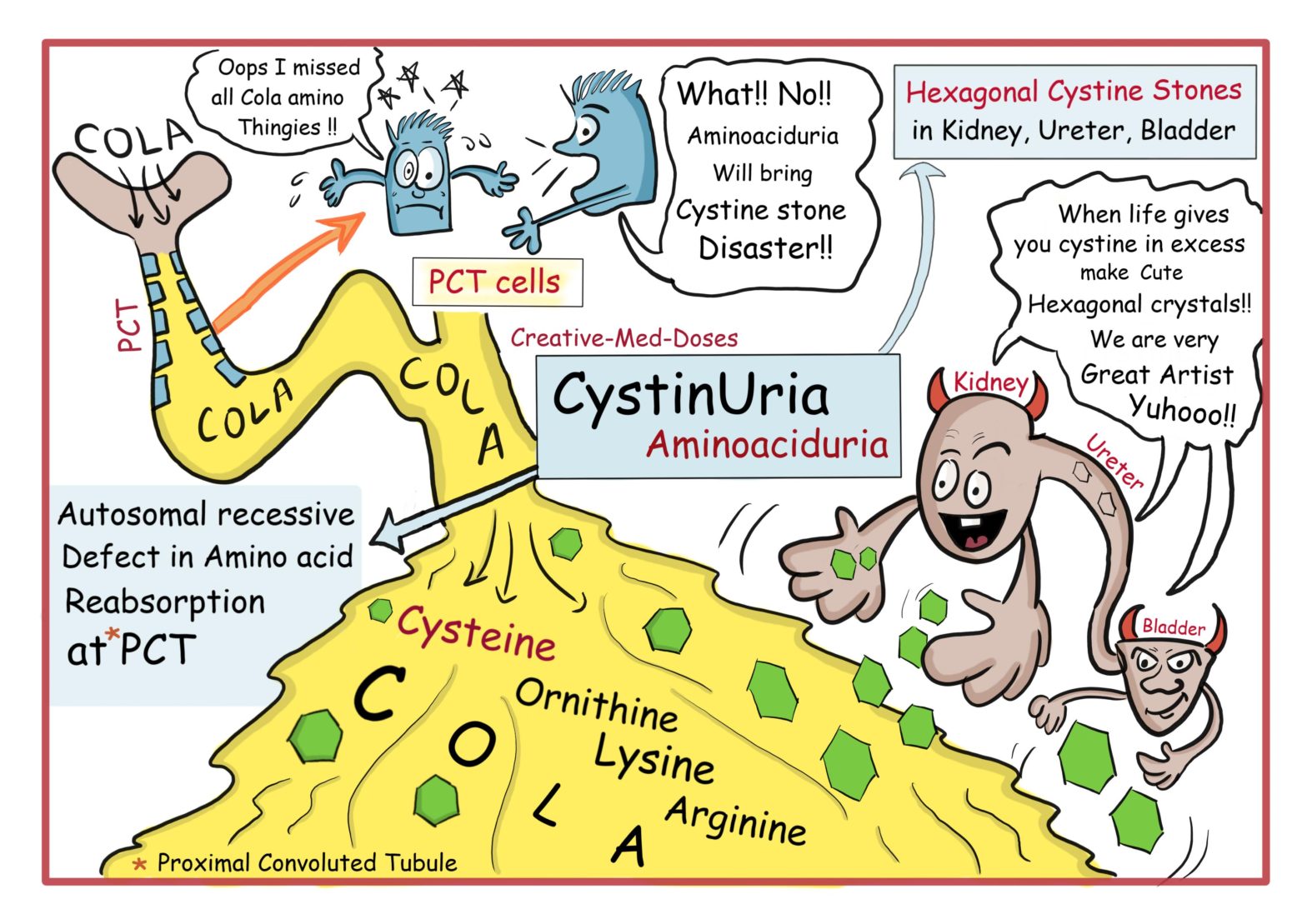
Cystinuria Autosomal recessive hereditary defect in Amino acid transporter in Renal Proximal convoluted tubules and intestine. There is impaired resorption of Cysteine, Ornithine, Lysine, Arginine (COLA), in PCT and intestine. If these amino acids are not reabsorbed, they are excreted in urine in excess. Excessive cysteine in urine can lead to recurrent precipitation of hexagonal […]
Post Type Archives: Topics
Tay Sachs Disease
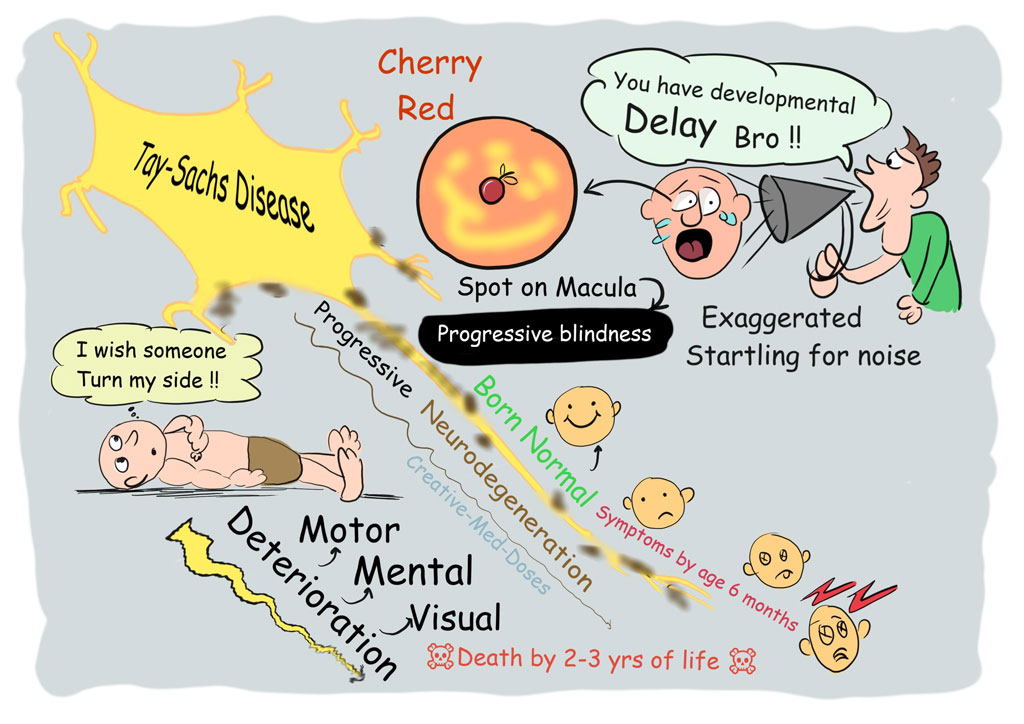
Ch 15 autosomal recessive Hexosaminidase A deficiency causing GM2 ganglioside accumulation in all tissues, but neurons and retina is affected more. Developmental delays Exaggerated Startling response to noise Cherry red spot on macula Lysosome with onion skin appearance on EM Child is born normal and symptoms start to appear around 6 months Progressively deteriorating leading […]
Lyme disease
Clostridium difficile
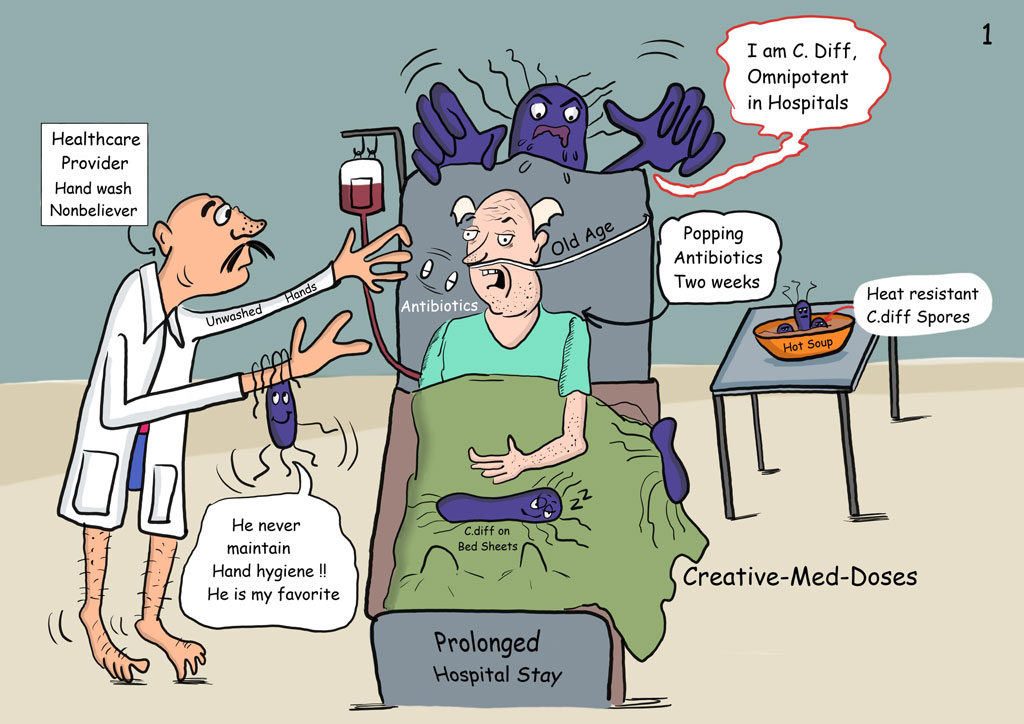
… … C. difficile is a spore-forming, anaerobic, Gram-positive bacillus. Spores produced by C. difficile are heat-resistant, gastric acid and biocidal cleaning products resistant and can remain viable for months on surfaces, it can survive to hospital cleaners and even solutions that are used to disinfect the hands by healthcare professionals. The ability to produce spores is […]
Babesiosis
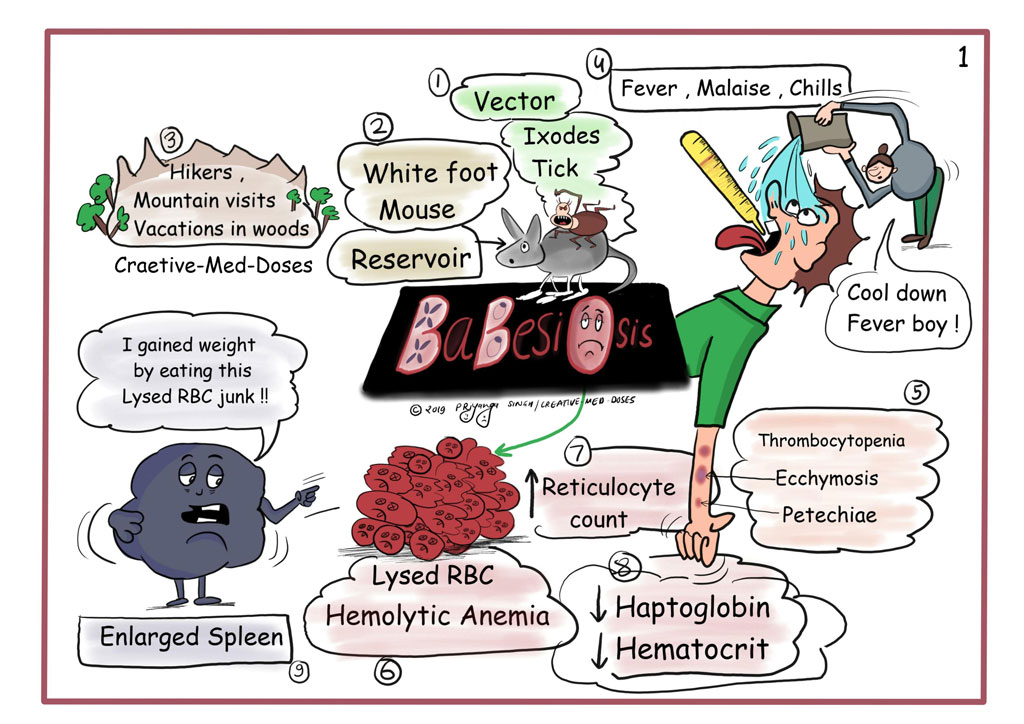
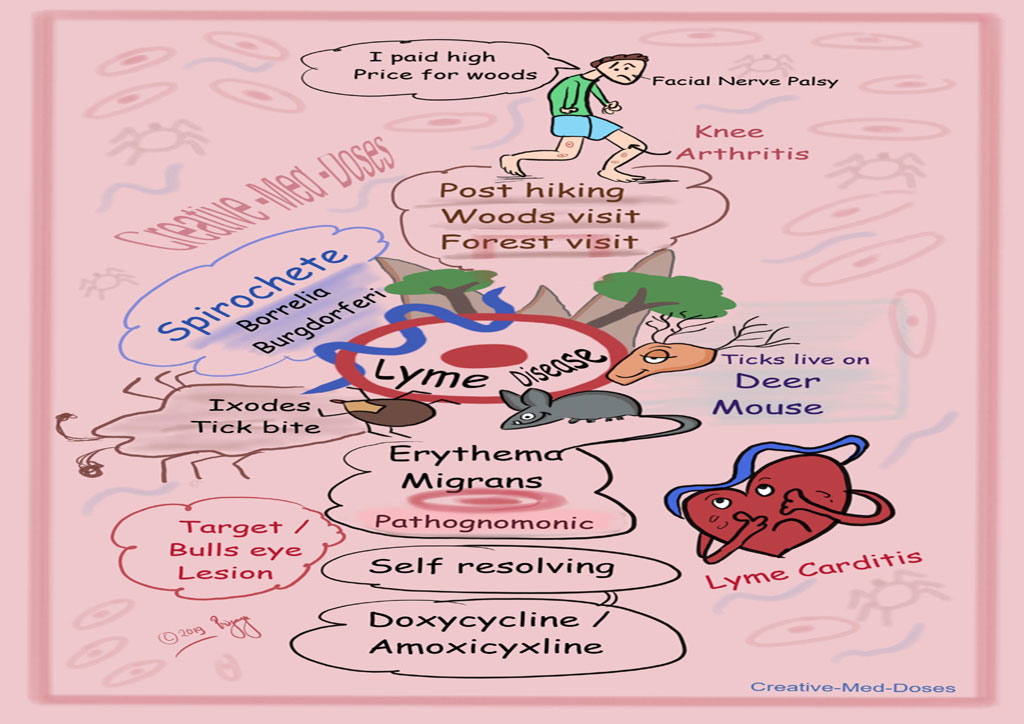
Pathogen: Babesiosis is a tick-borne malaria-like illness caused by intraerythrocytic protozoan Babesia. Vector: The primary vectors of the parasite are ticks of the genus Ixodes. Ixodes tick vector for Babesia is the same vector that locally transmits Borrelia burgdorferi, Which causes Lyme disease. Reservoir: White footed deer mouse. Mode of infection: Tick bite (most common) […]
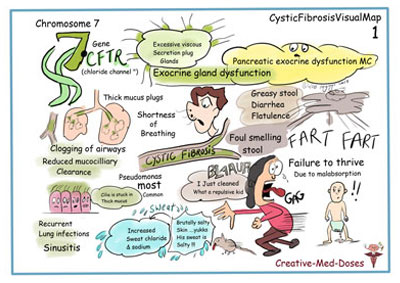
Cystic Fibrosis
Amniotic Fluid Embolism
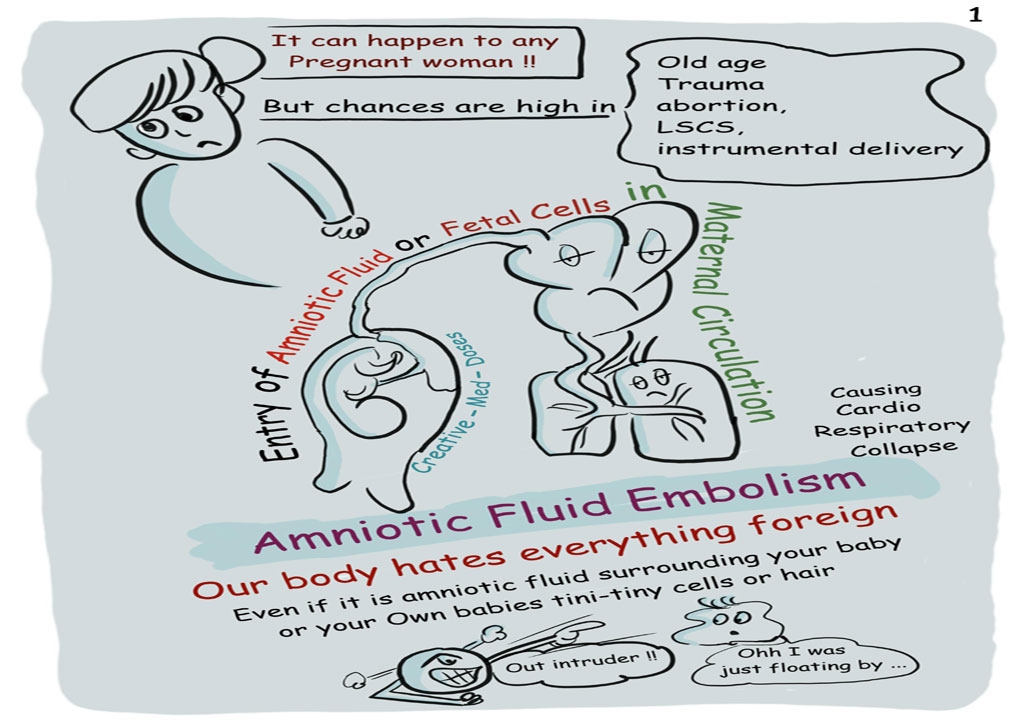
Amniotic fluid embolism (AFE) is one of the catastrophic
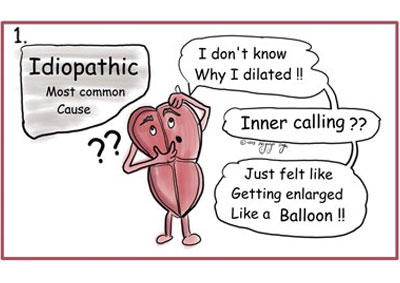
Dilated Cardiomyopathy most common cause
ODS : Osmotic Demyelination Syndrome
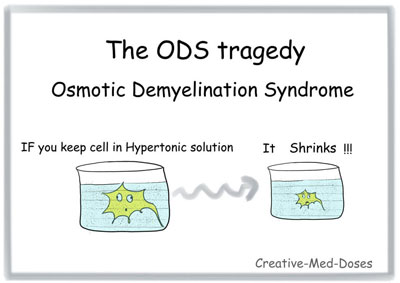
Formerly, called central pontine myelinolysis Caused by severe damage of the myelin sheath of nerve cells, primarily in the brainstem and typically the pons Due to rapid correction of hyponatremia and in liver disease. Also called “locked-in” syndrome. Shows quadriparesis, dysarthria, dysphagia and other pseudobulbar symptoms Prevention involves slow correction of hyponatremia; at a rate […]