Phosphate binders in chronic kidney disease
Phosphate binders (PB) in conjunction with dietary phosphate restriction reduce serum phosphate levels in patients with chronic kidney disease.
Phosphate-restricted diet
The restriction of processed foods, fast foods, dairy products, and cola beverages reduces dietary phosphate intake.
....

....
Phosphate binders
PB is used in conjunction with dietary phosphate restriction to achieve the goal of low serum phosphate levels.
Mechanism of action
As the name suggests, the phosphate binders bind to the phosphate in the gastrointestinal tract. The phosphate present in food reaches the intestine to get absorbed into the bloodstream, but the phosphate binders bind to the phosphate, forming an insoluble complex. This insoluble complex cannot be absorbed into the bloodstream and is excreted through the feces. This way, phosphate binders significantly reduce the intestinal absorption of phosphate, resulting in lower blood potassium levels. Phosphate binders are taken orally with a meal or snack so that they can reduce the absorption of phosphate present in the food ingested.
...

...
Types
- Aluminium containing PBs
- Calcium-containing PBs
- Non-calcium-based PBs
Aluminium-containing PBs
Aluminium-containing phosphate binders were popular in the past, but their use has been reduced due to toxicity associated with Aluminium accumulation in various organ systems. The Aluminium accumulation most commonly affects the brain (dementia and encephalopathy), bones (Osteomalacia), blood (anemia), and gut (gastric upset).
Calcium-containing PBs
Calcium carbonate and calcium acetate are common calcium-containing PBs. They are the first line of treatment in hypocalcemia and hyperphosphatemia associated with CKD. Hypercalcemia and vascular calcification due to calcium accumulation are major disadvantages of calcium-containing binders.
These binders are not recommended in CKD cases with-
- Hypercalcemia
- Arterial calcification
- Adynamic bone disease (low turnover bone disease)
Advantages
- Moderately effective
- Inexpensive
- Most commonly used
Non-calcium-based PB
Sevelamer
- Most common non-calcium-based PB
- Expensive and high pill burden
- Causes gastrointestinal upset
Lanthanum
- Expensive
- Low pill burden (also available in powder form)
- Causes gastrointestinal upset
Sucroferric oxyhydroxide
- Iron-based PB
- Diarrhea and a change in stool color
- Expensive
- Pill burden equal to Lanthanum
...

...
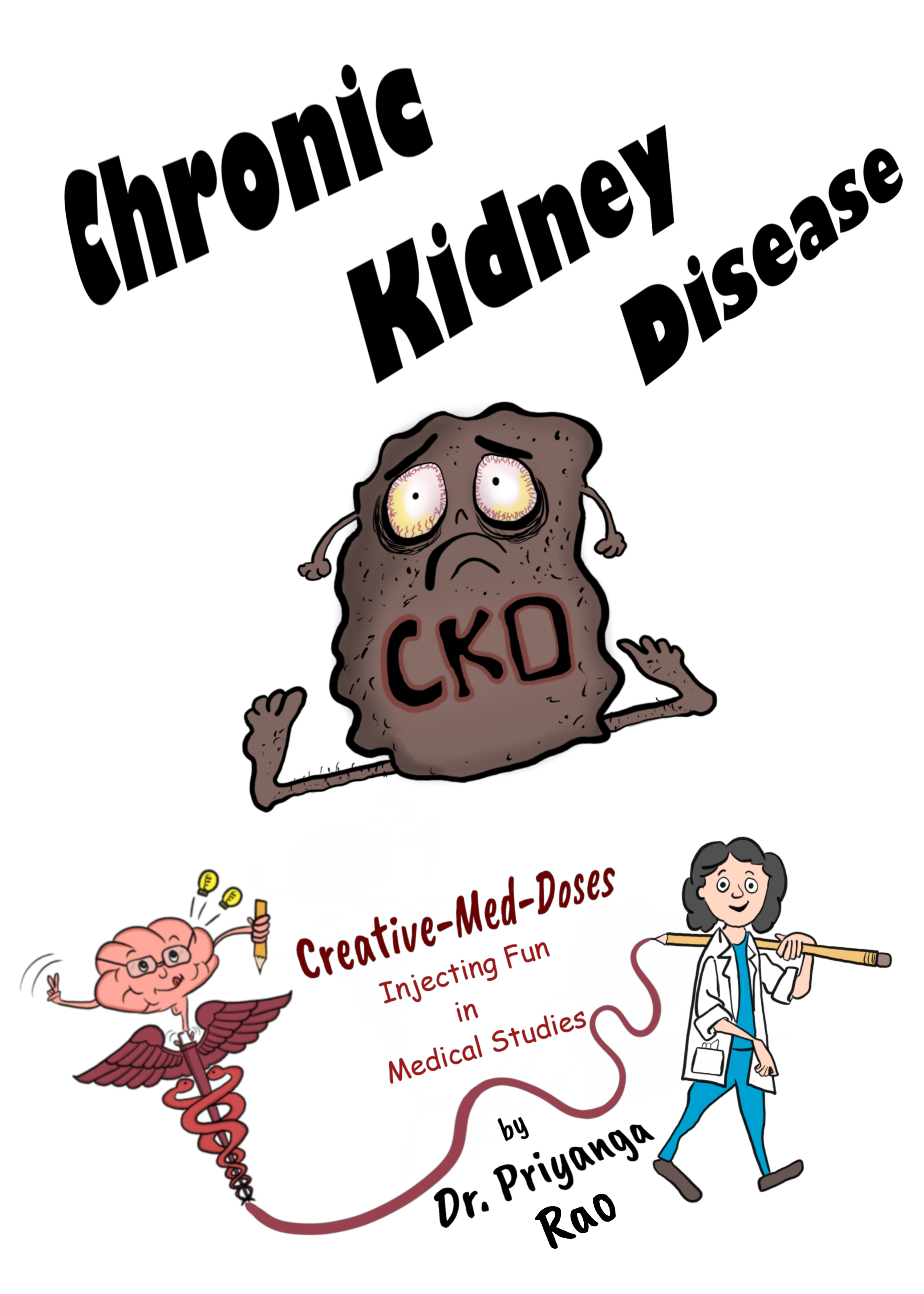
Read everything about chronic kidney disease in the new book Chronic Kidney Disease. It can be found on the Amazon Kindle of your country.
Revision for today Contrast-Induced Nephropathy - Creative Med Doses